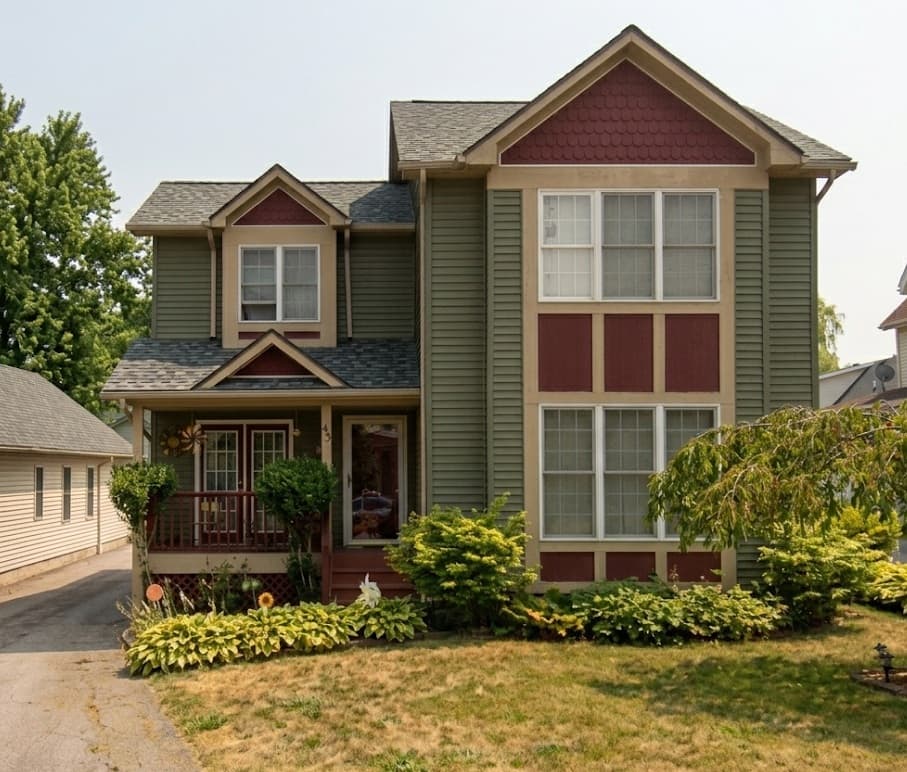
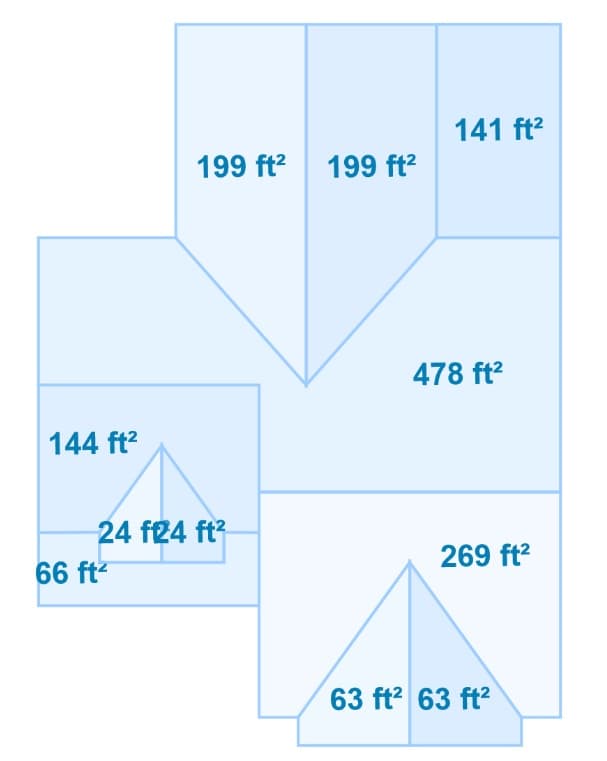
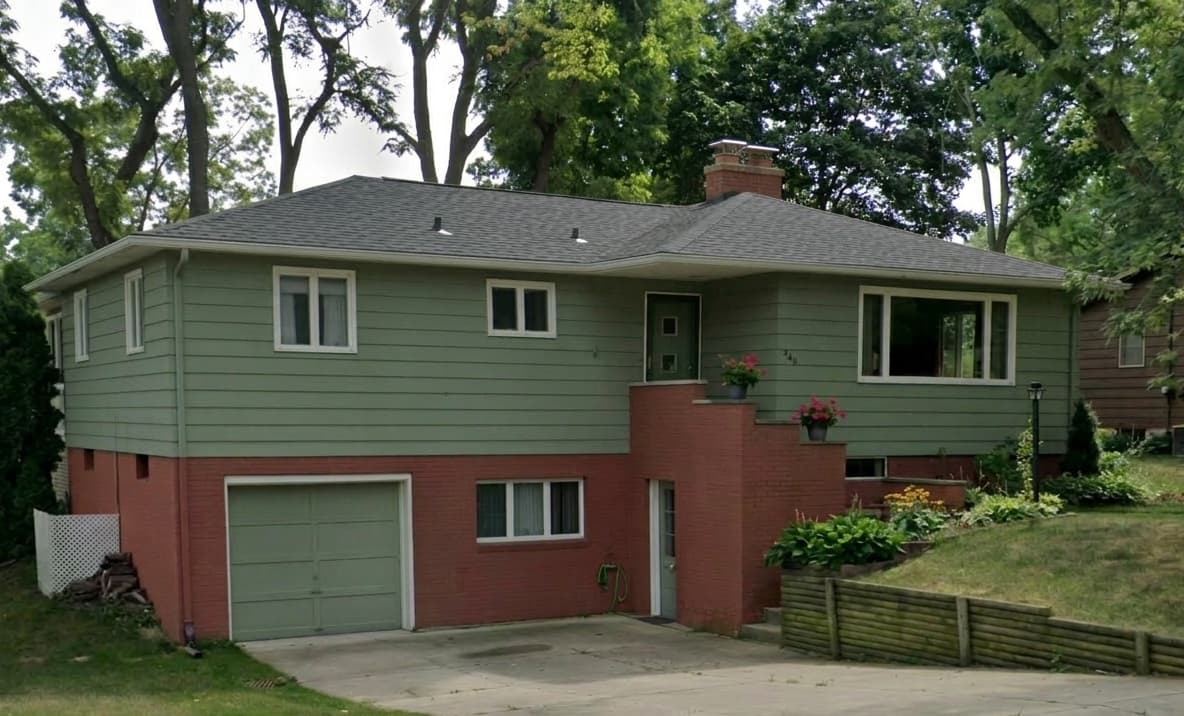
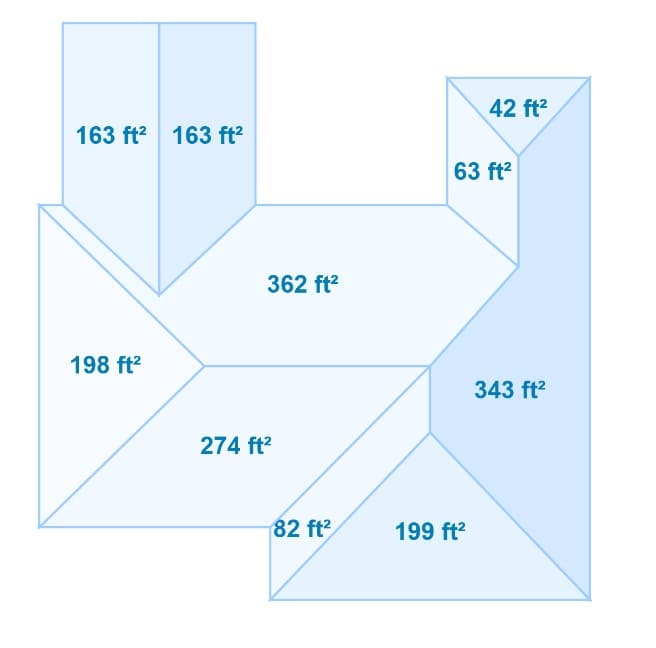
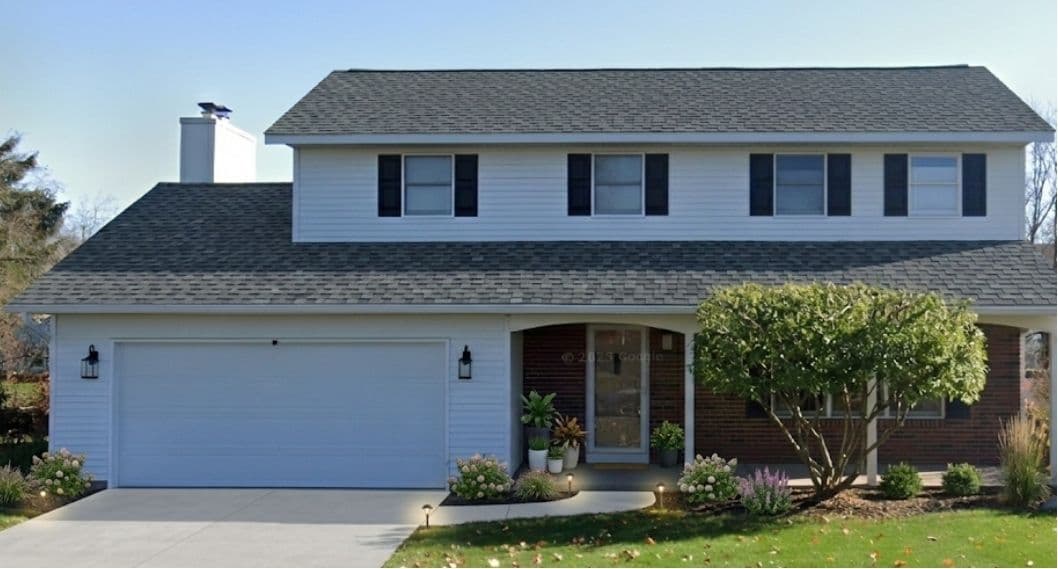
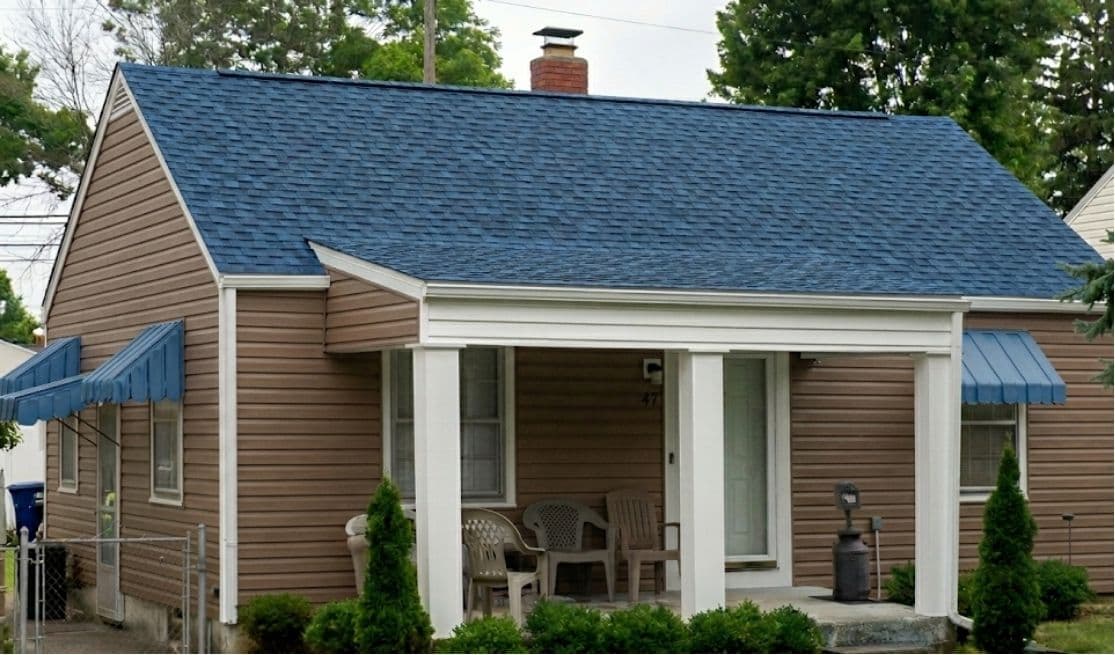
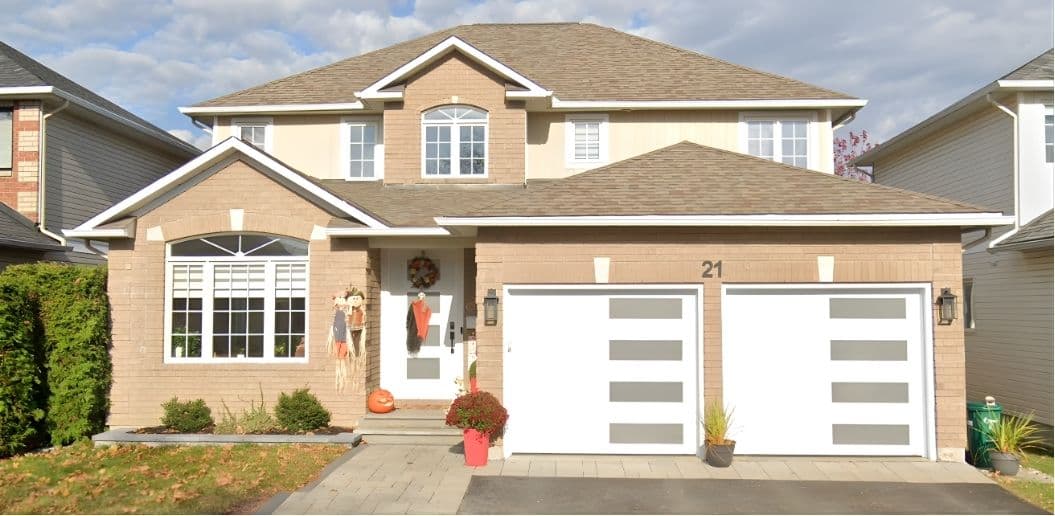
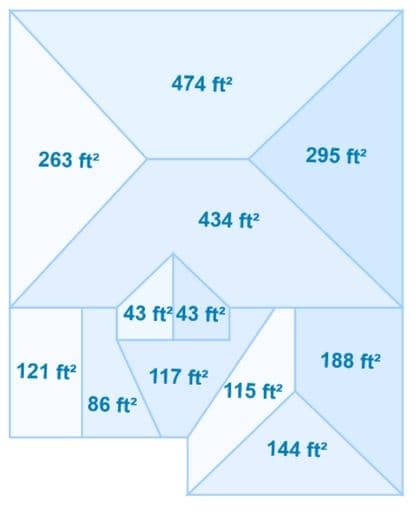
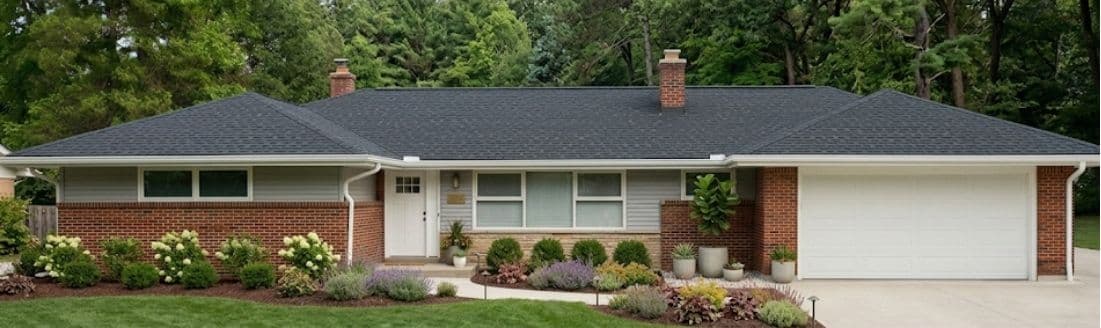
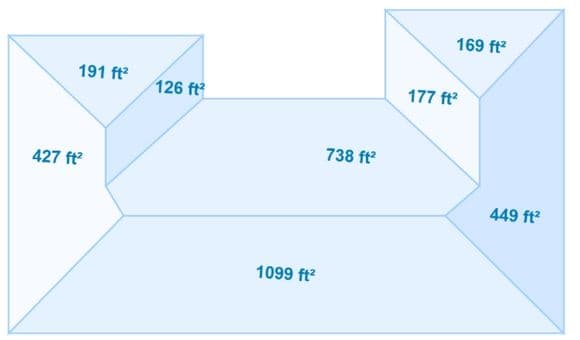
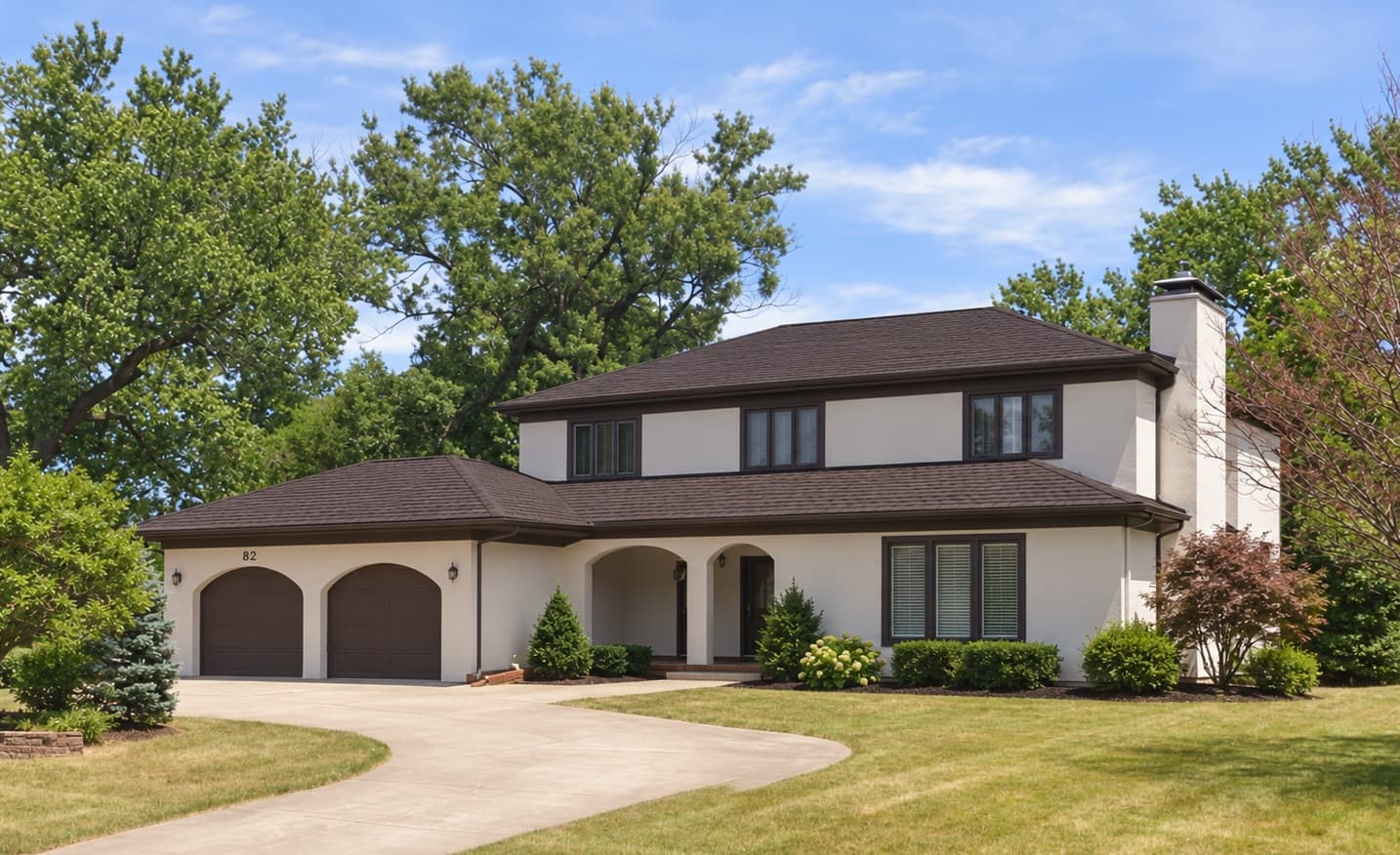
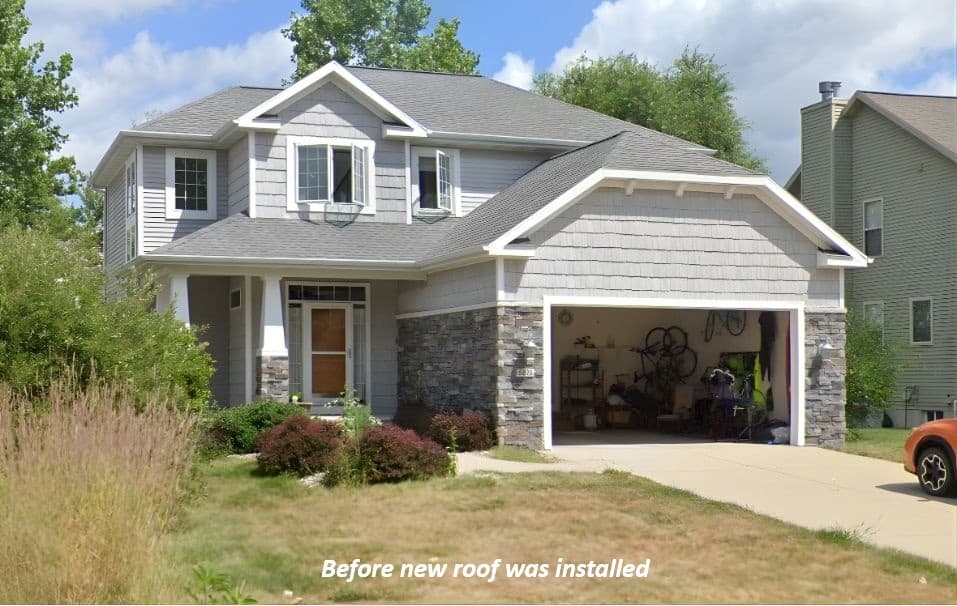
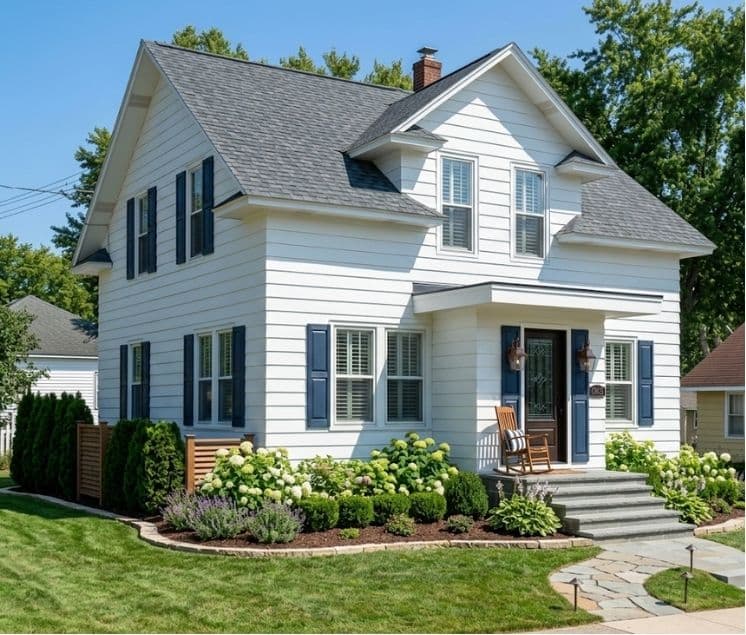
No two roofs are the same. When a contractor provides a quote, they are considering a combination of factors that can push your total up or down by thousands of dollars. Here are the most important:
1. Roof Size
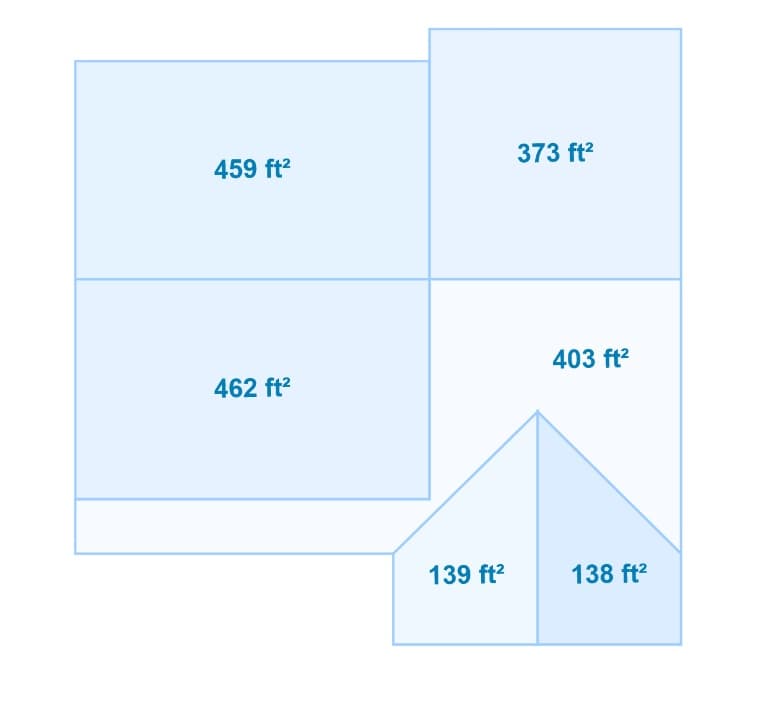
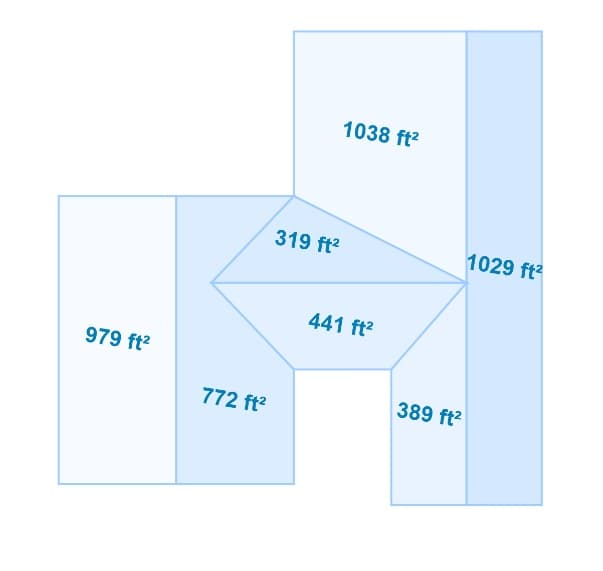
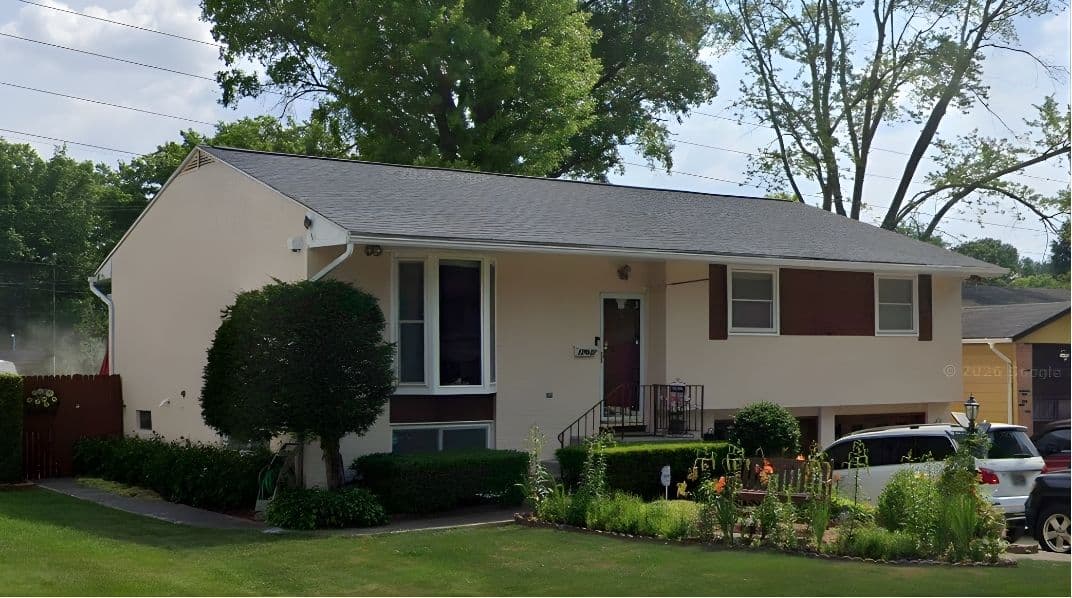
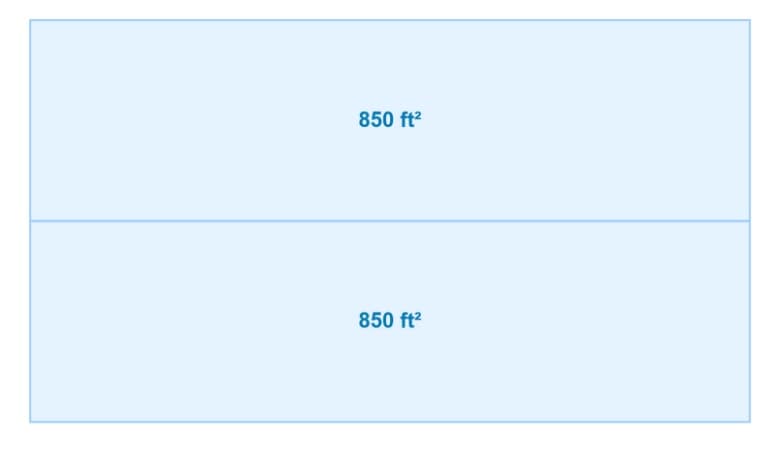
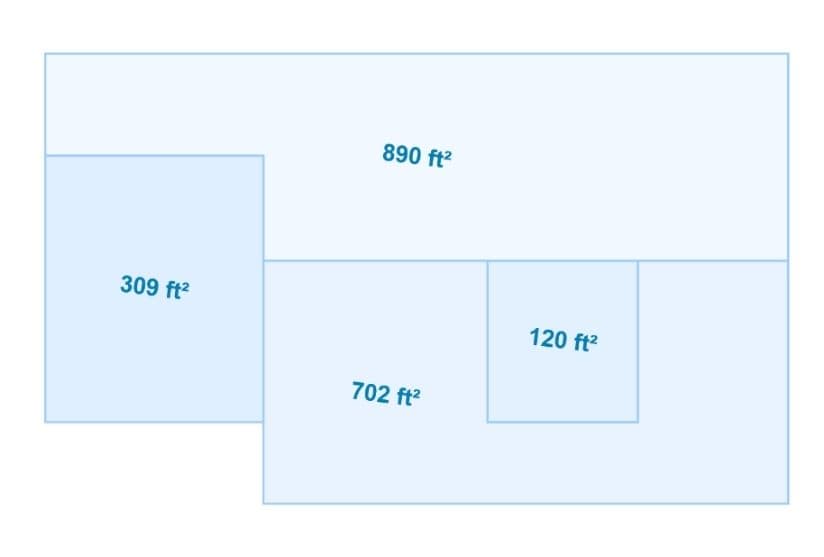
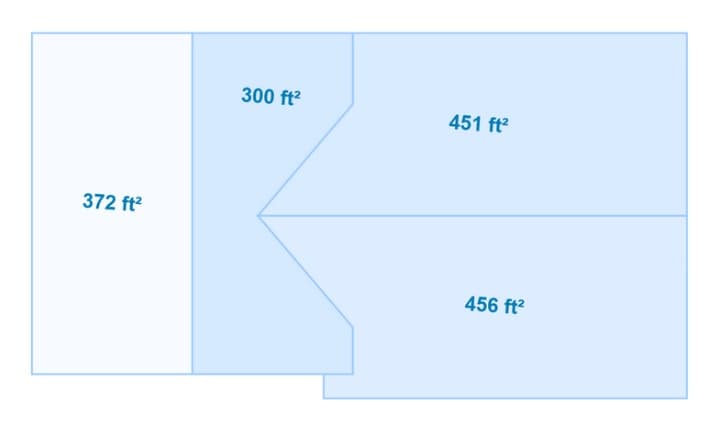
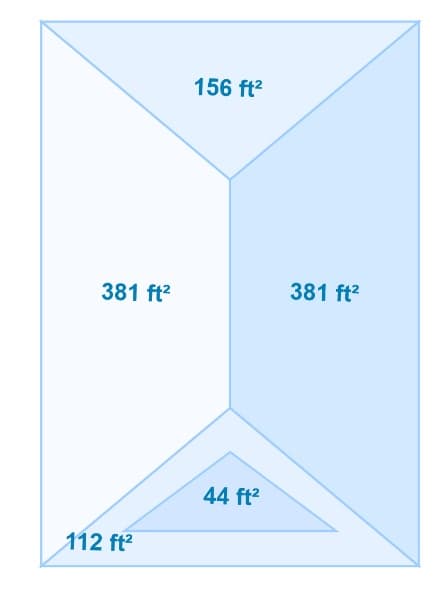
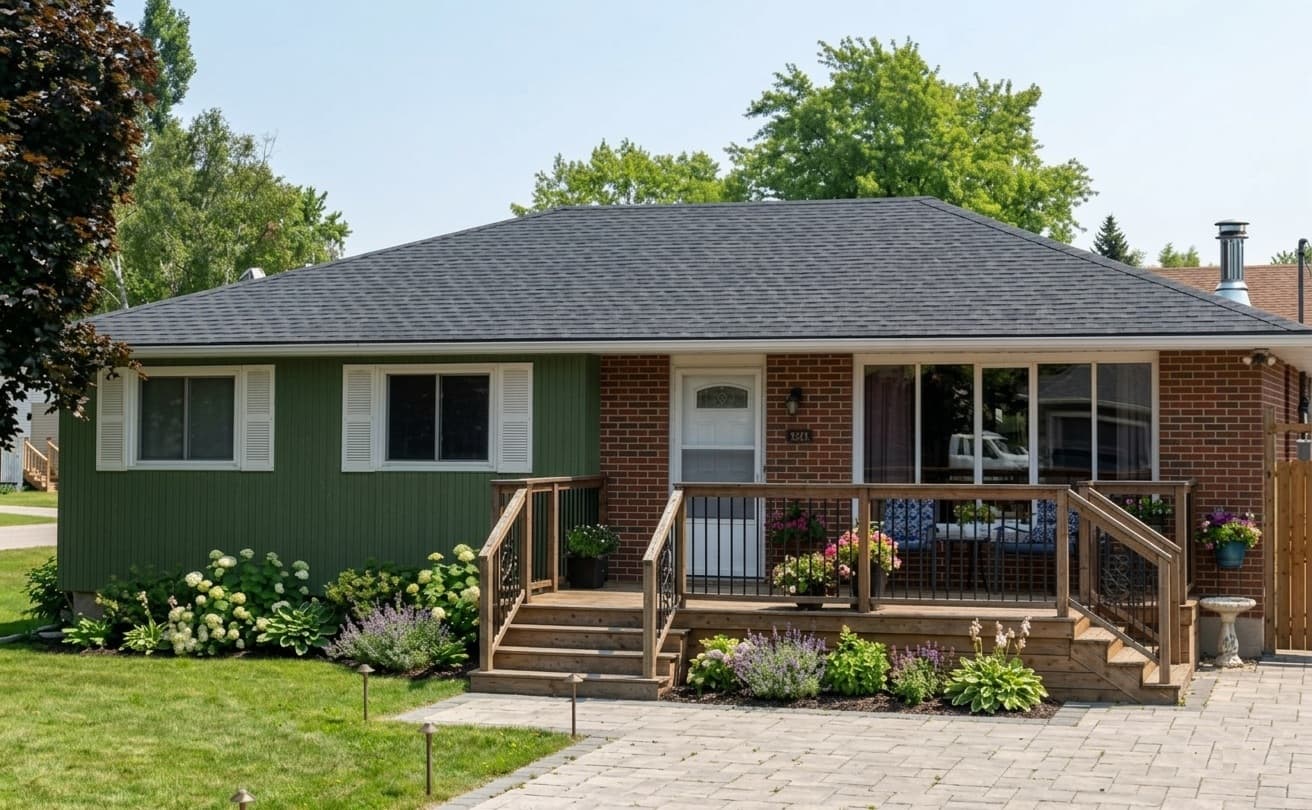
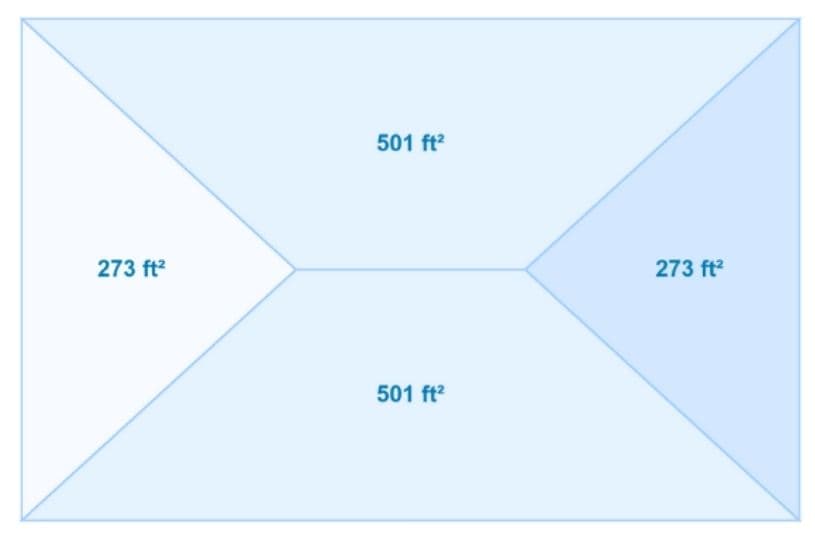
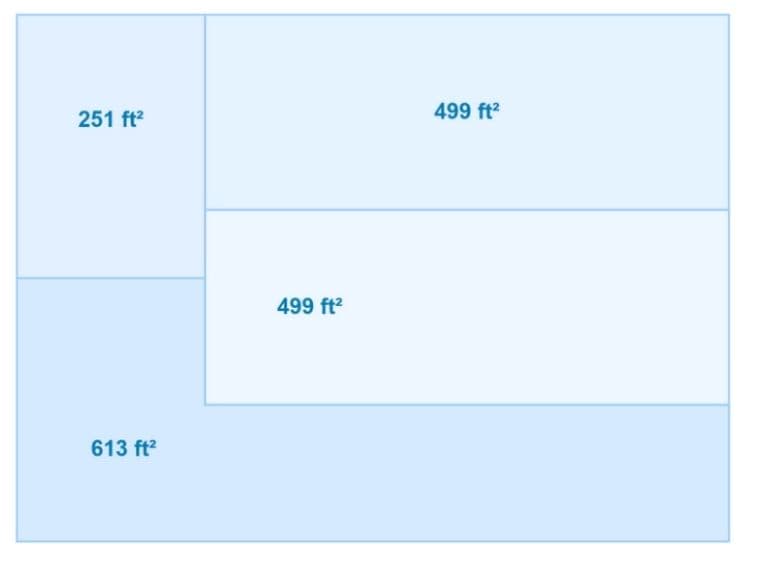
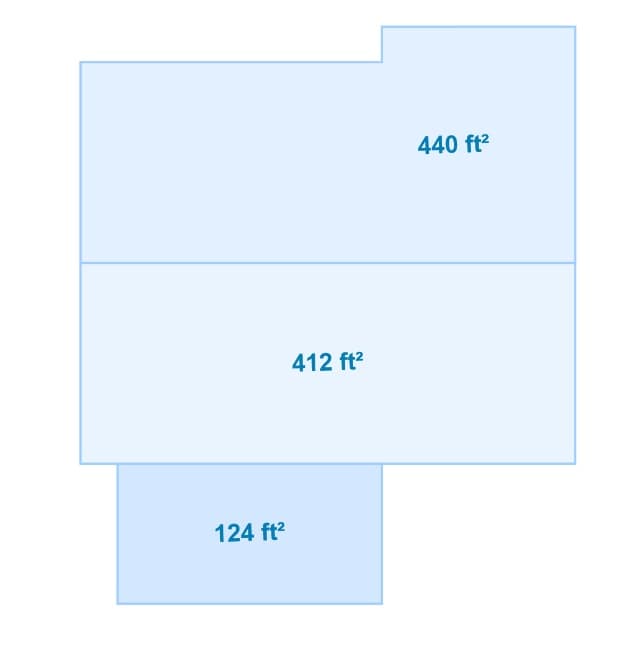
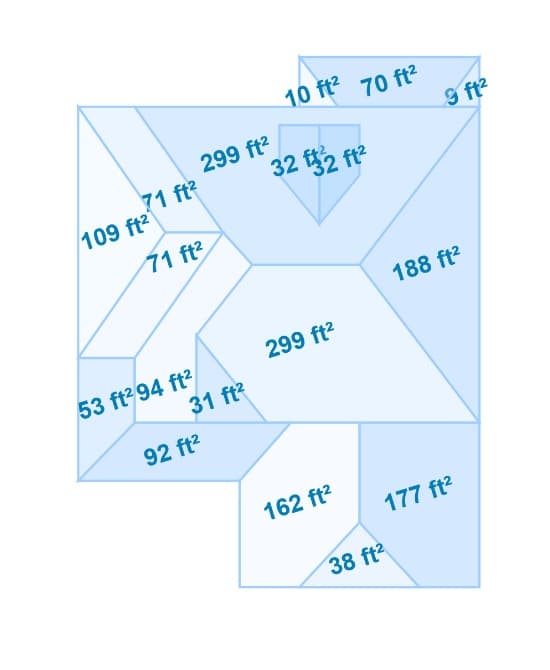
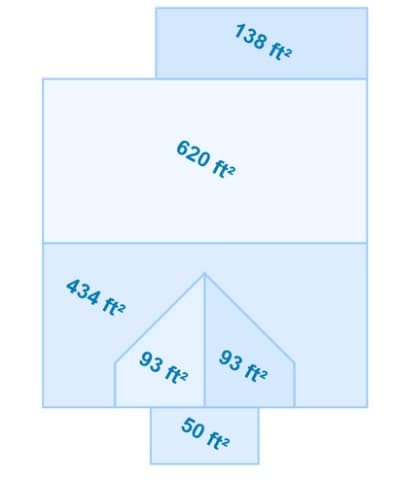
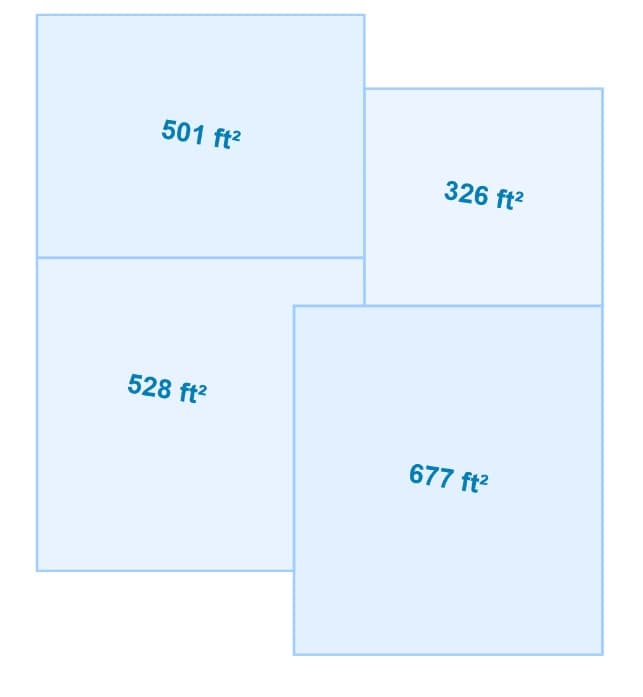
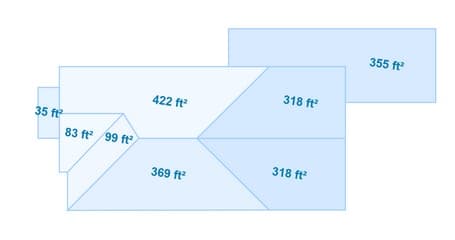
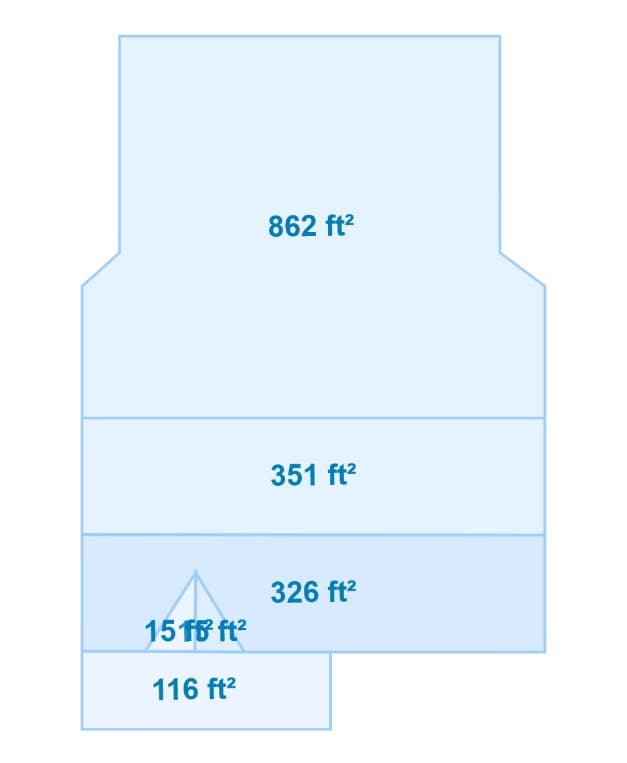
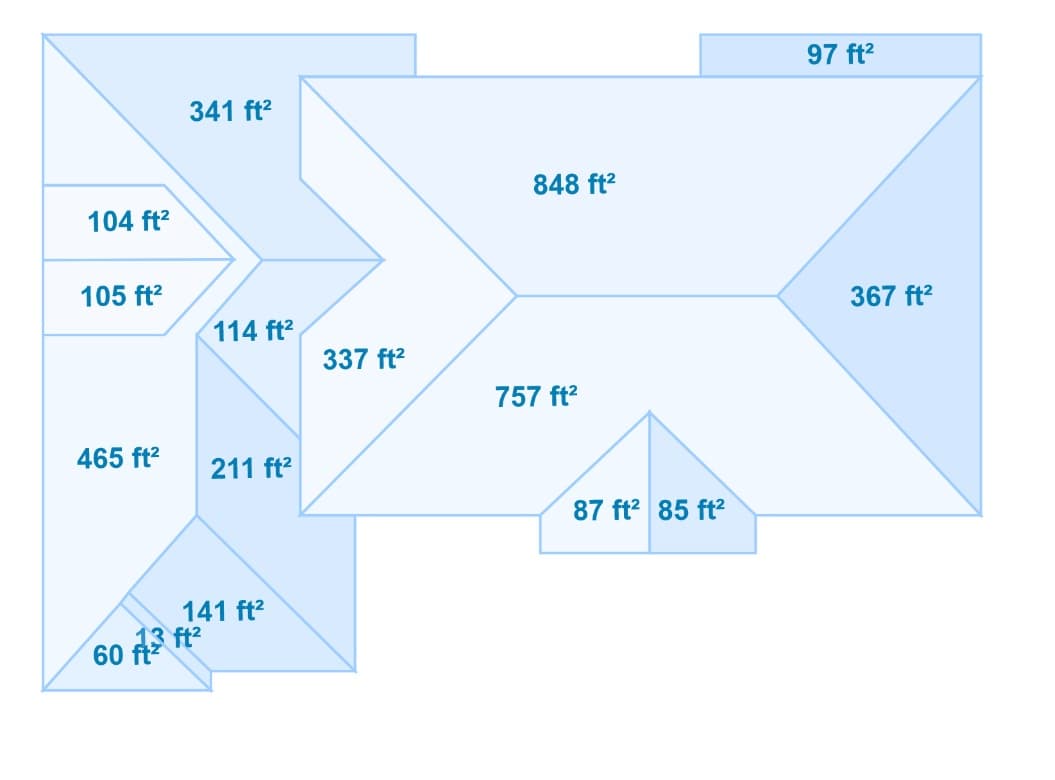
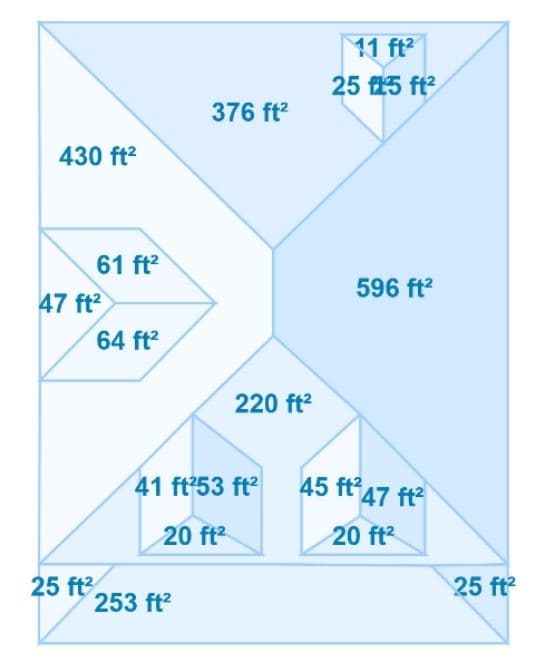
Roofing is priced per square (100 sq ft). A 1,000 sq ft bungalow has a simple deck footprint but the roof surface area — once you account for pitch — may be 1,200-1,500 sq ft of actual shingle area. Measure your home's footprint and ask your contractor for the total roof square footage before comparing quotes.
2. Roof Pitch
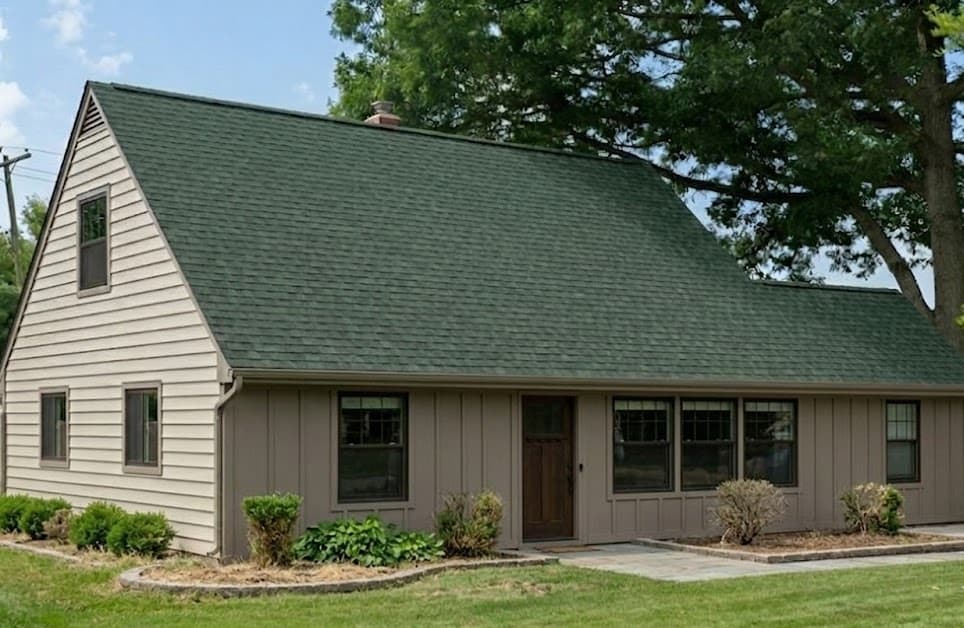
Steeper roofs require more safety equipment, slower installation, and more material due to waste. A standard 4:12 pitch is straightforward. A 8:12 or 12:12 pitch (very steep) can add 25-50% to labour costs. Low-slope or flat roofs require different materials (EPDM, TPO) and different skills.
3. Number of Layers Being Removed
In Ontario, building codes generally allow a maximum of two layers of asphalt shingles. If your roof has two existing layers, both must be stripped before re-roofing. Tear-off adds $0.50-$2.00 per sq ft to the project cost, plus disposal fees.
4. Decking / Sheathing Condition
If the plywood or OSB decking beneath your shingles is soft, rotted, or damaged, it must be replaced. Deck repairs cost $2-$5 per sq ft for material plus labour, and are discovered after tear-off — so budget a contingency of 5-10% for older homes.
5. Flashings, Skylights, and Roof Penetrations
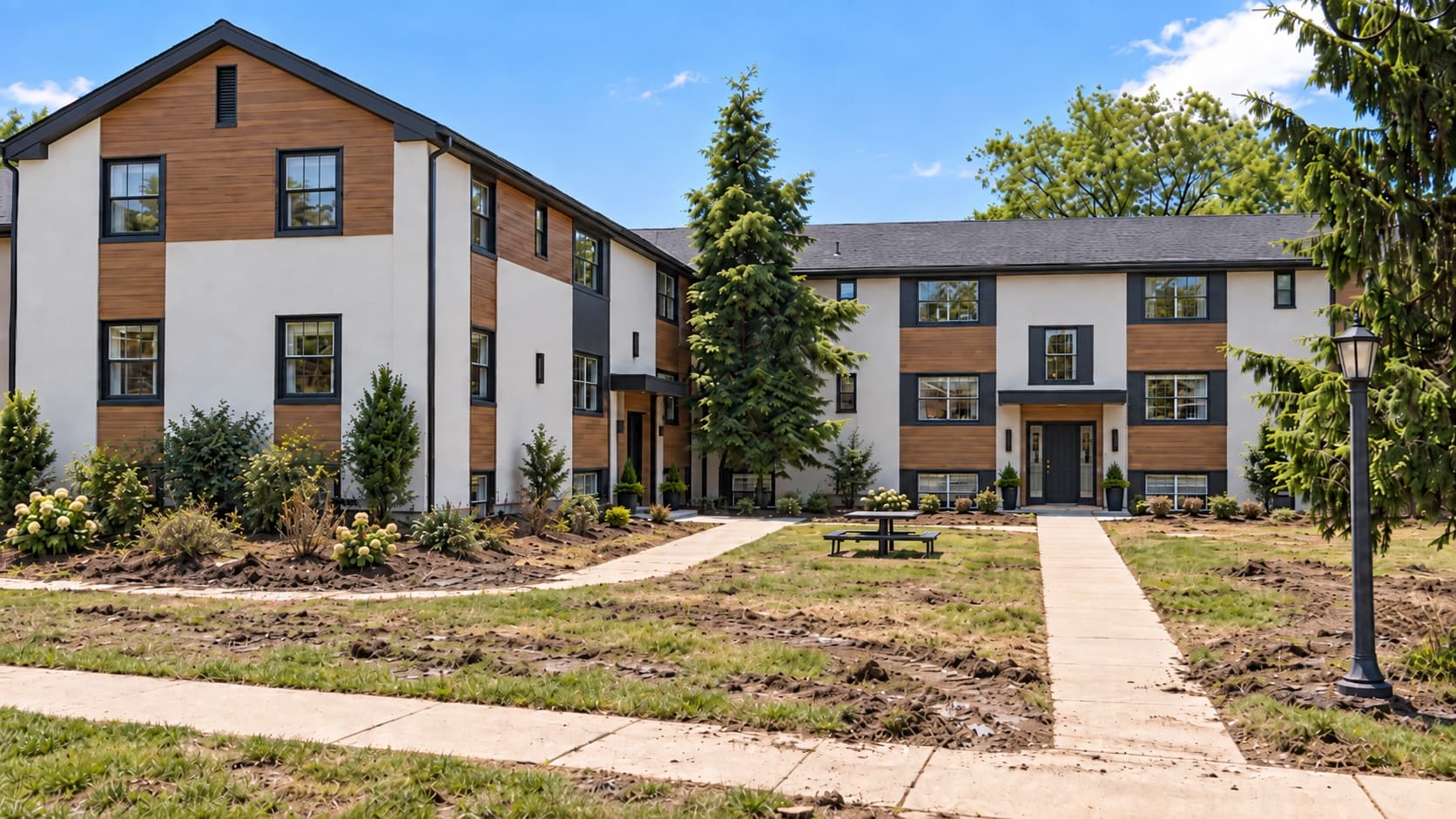
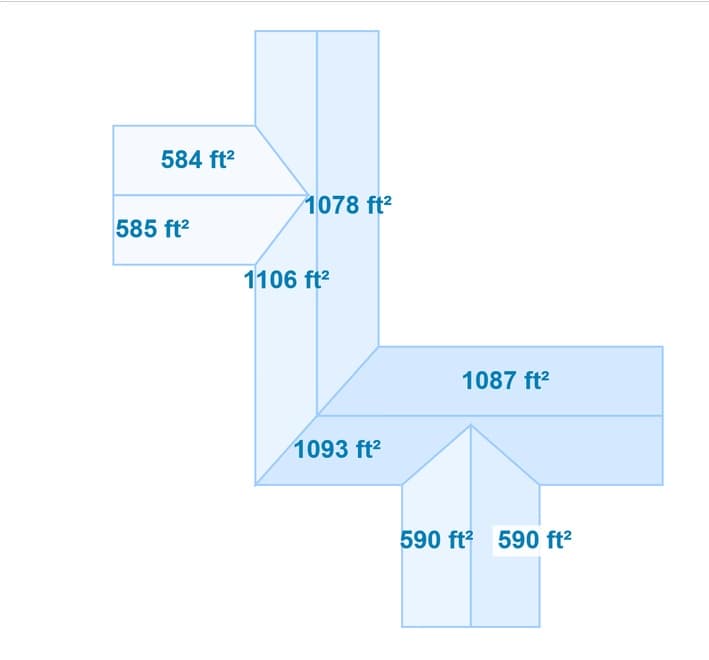
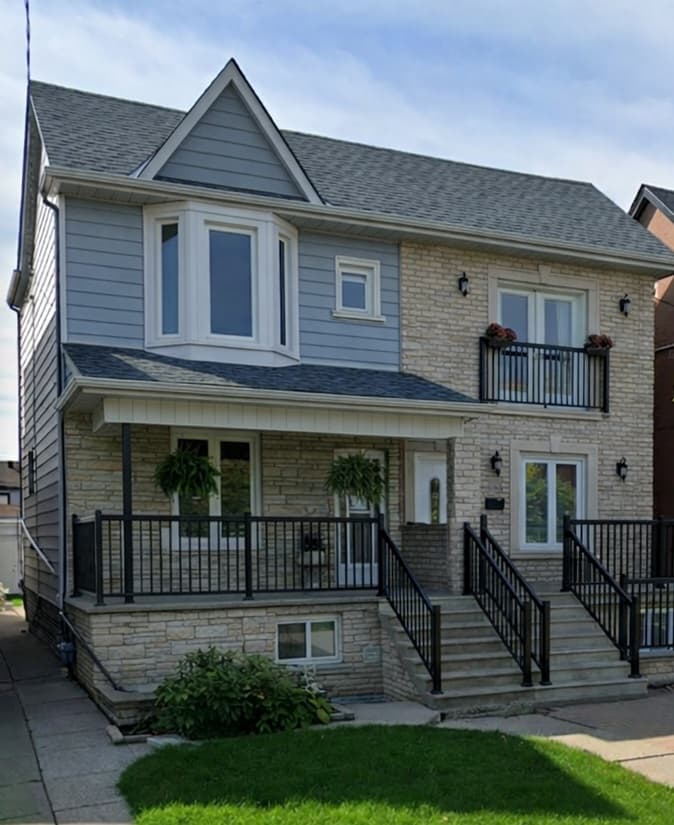
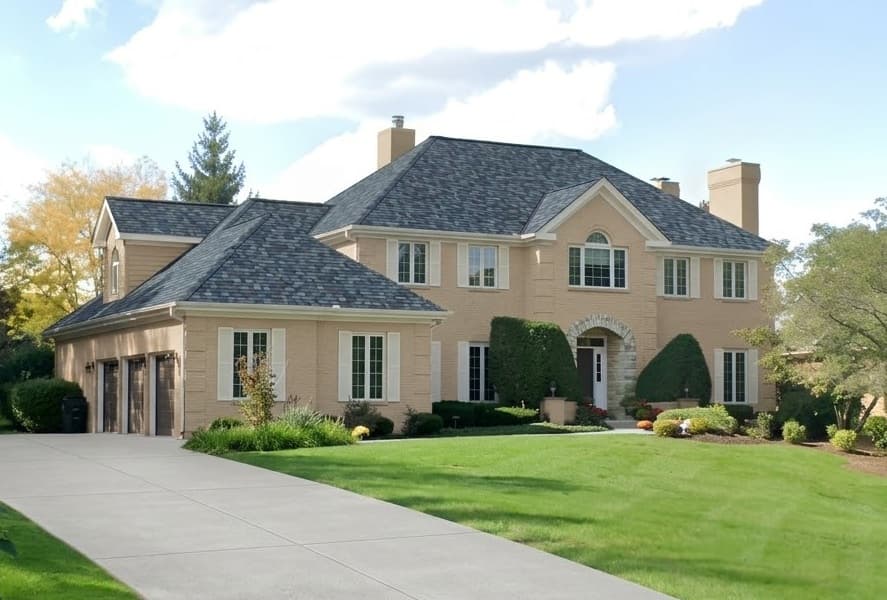
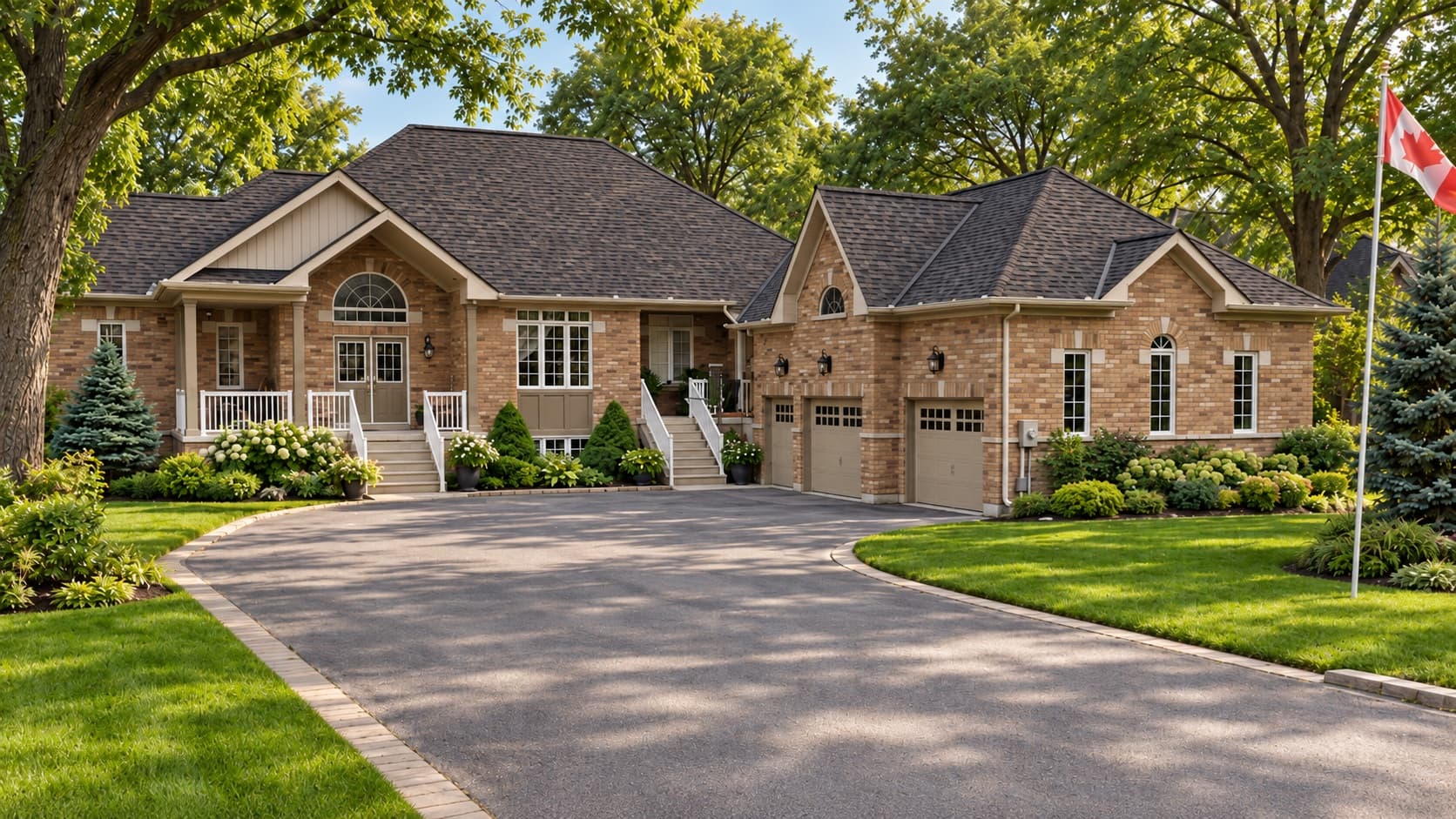
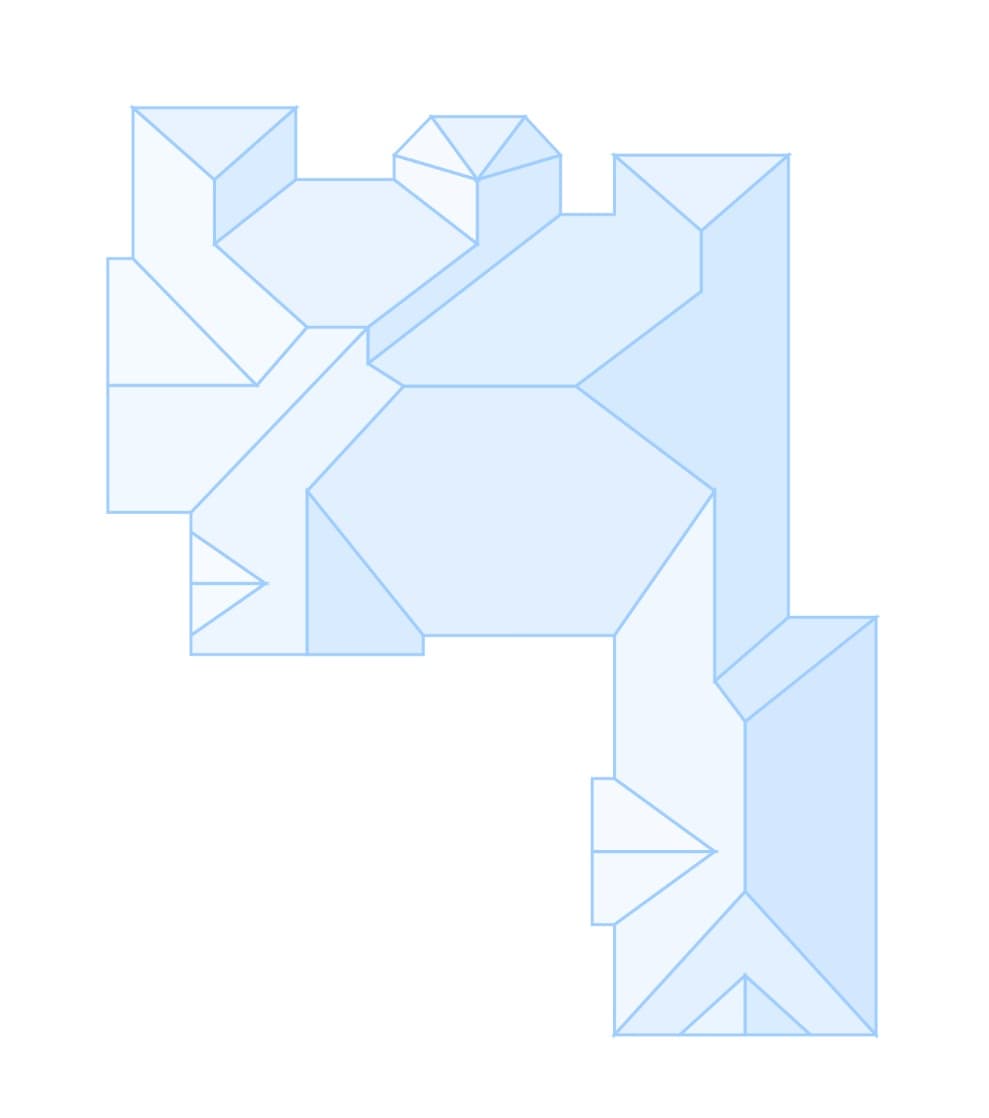
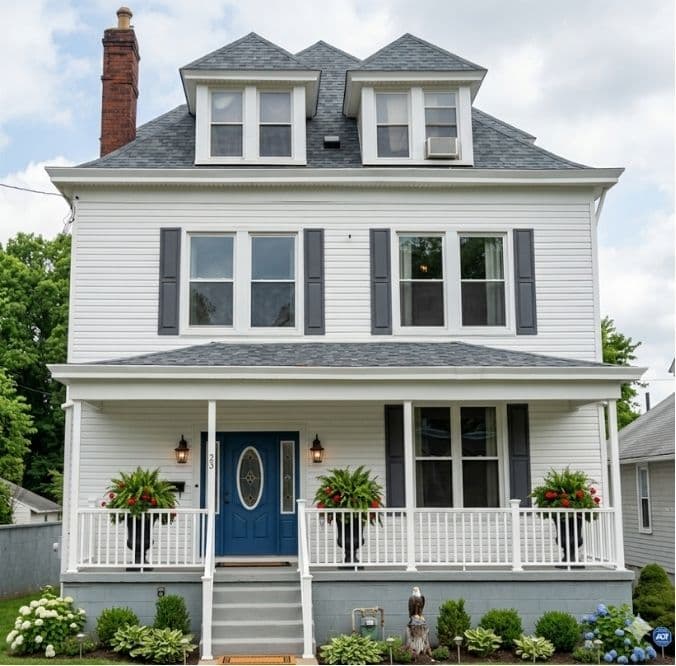
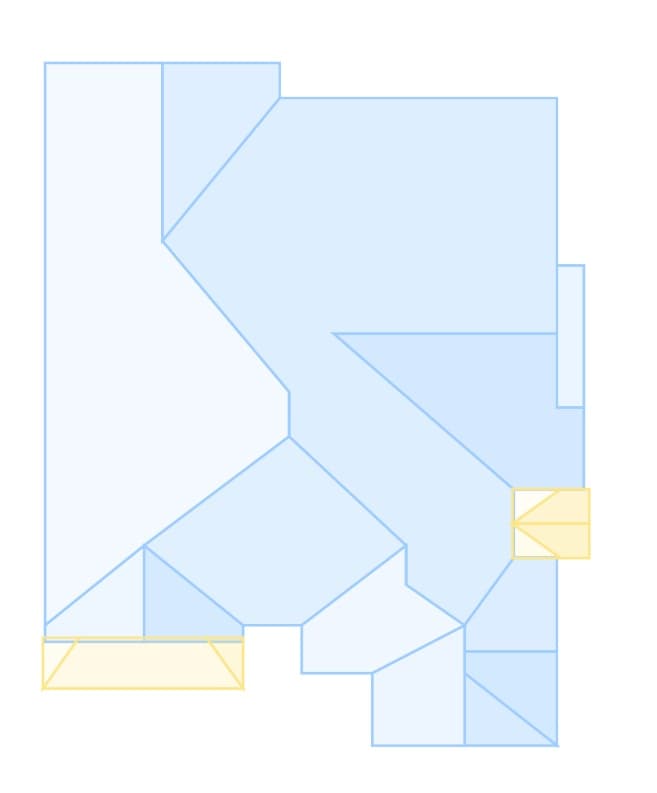
Chimneys, vents, skylights, and dormers all require custom flashing work. Each skylight can add $300-$800 to a re-roofing project. Chimney re-flashing alone costs $400-$1,200. The more complex your roofline, the more you'll pay.
6. City and Season
Labour costs are highest in Toronto and the GTA, and lowest in smaller cities like Windsor and Thunder Bay. Timing matters too: roofing in October or November can be 10-15% cheaper than peak season (June-August) because contractors are filling their schedules.